In this article
- Key Takeaways
- Content Marketing Definition
- Why is Content Marketing Important in 2026?
- How Content Marketing Works
- Awareness Stage
- Consideration Stage
- Conversion and Retention Stage
- Key Elements of Content Marketing
- Audience and Intent
- Value-Driven Content
- Consistent Distribution
- Types of Content Marketing
- Blog Content
- Video Content
- Social Media Content
- Podcasts and Audio
- Email and Newsletters
- White Papers and Guides
- Interactive Content
- Content Marketing Examples From Real Brands
- How to Build a Content Marketing Strategy
- Define Your Audience
- Map Content to the Funnel
- Choose the Right Content Formats
- Set Goals and KPIs
- Plan Distribution Channels
- Measure, Learn, and Refine
- Content Marketing and SEO
- Social Media and Content Marketing
- The Role of a Content Marketer
- Content Creation and Storytelling
- Audience Research and SEO
- Campaign Planning and Collaboration
- Performance Measurement and Optimization
- Common Content Marketing Challenges
- Creating High-Quality Content at Scale
- Maintaining Consistency
- Measuring ROI and Impact
- Content Marketing Personalization
- Tools and Technology for Content Marketing
- Does Content Marketing Still Work in 2026?
- How Content Marketing Supports Business Growth
- Getting Started With Content Marketing
Key Takeaways
- Content marketing focuses on creating valuable, audience-first content that builds trust and drives long-term growth, not short-term sales.
- Successful content marketing connects strategy, SEO, distribution, and performance measurement into a single, repeatable system.
- In 2026, content marketing still works, but only when led by clear goals, strong execution, and consistent ownership from skilled content managers.
Content Marketing Definition
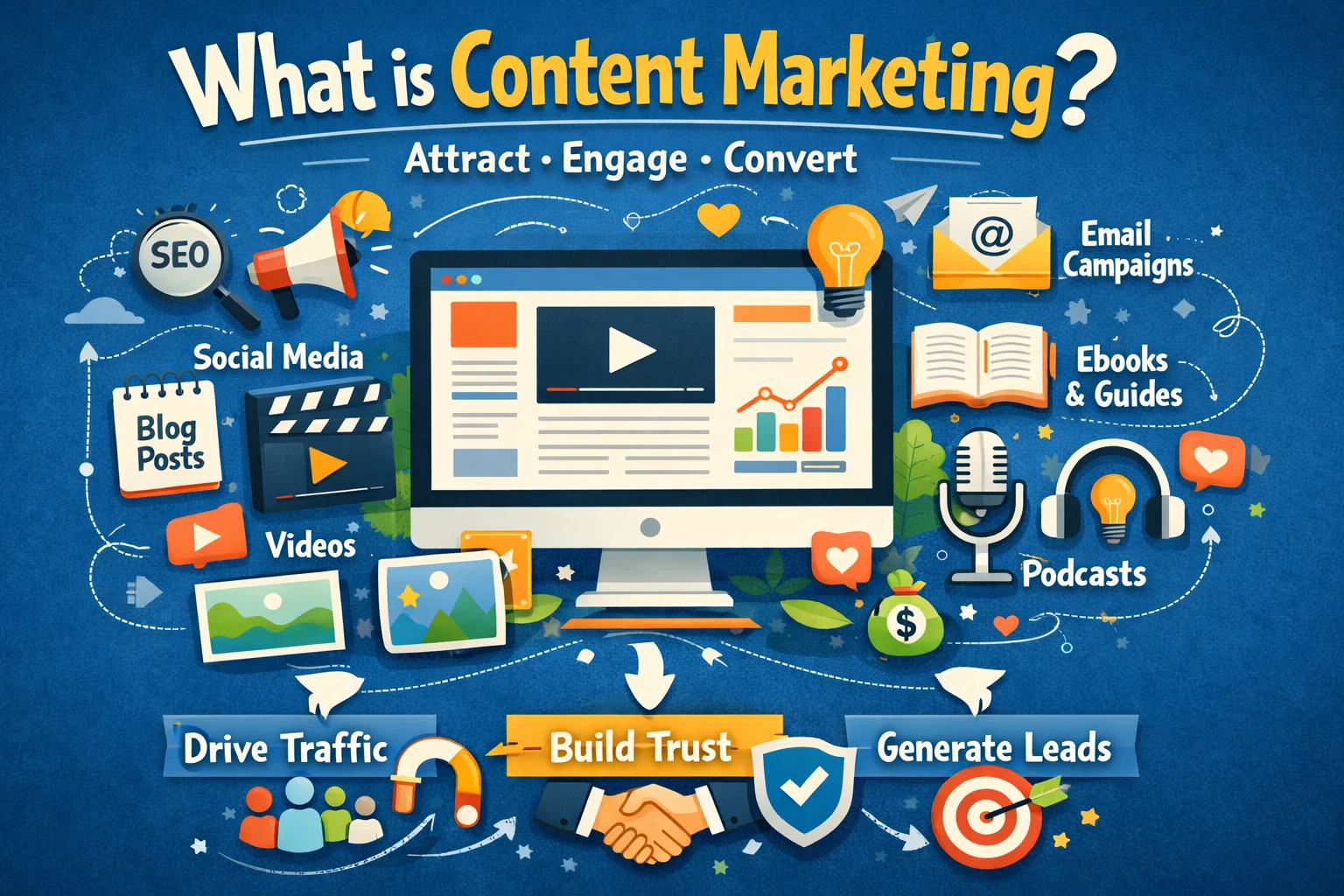
Content marketing is a strategic marketing approach focused on creating and distributing valuable, relevant, and consistent content to attract and retain a clearly defined audience. The goal is not to sell directly, but to build trust, authority, and long-term relationships that eventually drive profitable customer action.
Unlike traditional advertising, content marketing meets users where they are, answering questions, solving problems, and supporting decisions throughout the buyer journey. This is why content marketing has become a core pillar of modern digital marketing.
Why is Content Marketing Important in 2026?
In 2026, audiences are more selective, platforms are more competitive, and attention is harder to earn. Content marketing remains effective because it aligns with how people actually discover, evaluate, and trust brands.
- It builds long-term organic visibility
- It supports trust and brand authority
- It fuels SEO, social, and email channels
- It reduces reliance on paid acquisition
For teams led by content managers, content marketing is no longer optional. It is the foundation of sustainable growth.
How Content Marketing Works
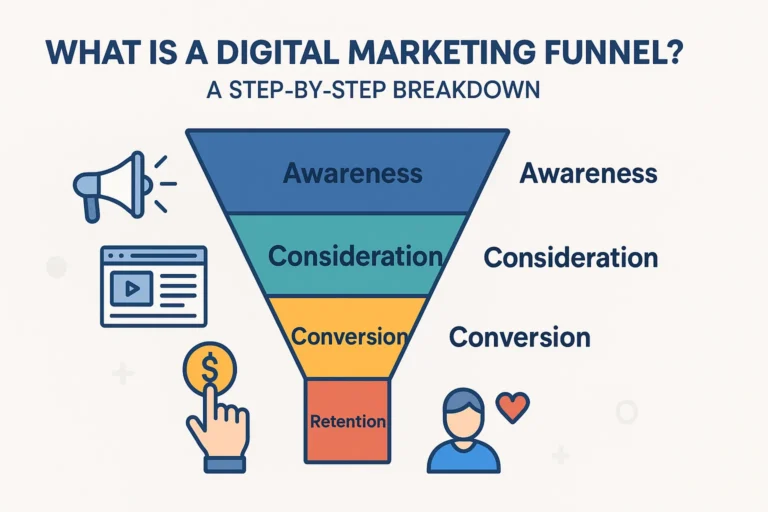
Awareness Stage
At the awareness stage, content helps users understand a problem or need. Blog posts, videos, social content, and educational guides introduce your brand without pushing a sale.
Consideration Stage
Here, content helps users compare options and evaluate solutions. Case studies, in-depth guides, and expert insights position your brand as a credible choice.
Conversion and Retention Stage
At this stage, content supports decision-making and long-term loyalty. Product content, onboarding resources, and ongoing education turn customers into repeat users and advocates.
Key Elements of Content Marketing
Audience and Intent
Effective content marketing starts with understanding who you are targeting and what they are searching for, reading, or watching at each stage of their journey.
Value-Driven Content
Content must provide real value. That can mean education, inspiration, practical advice, or insight that is difficult to find elsewhere.
Consistent Distribution
Great content without distribution is invisible. Successful strategies include SEO, email, partnerships, and social media strategy as core components.
Types of Content Marketing
Blog Content
Blogs remain the backbone of content marketing because they compound over time. A well-structured blog supports SEO by targeting search intent, building topical authority, and earning internal and external links. Blog content is also highly flexible: it can educate, compare, explain, and guide users at every stage of the funnel while continuously driving organic traffic months or even years after publication.
Video Content
Video content helps explain complex ideas quickly and visually, making it especially effective for tutorials, product explanations, and storytelling. It performs strongly across search engines, video platforms, social networks, and owned channels. Video also increases engagement metrics such as time on page and retention, which can indirectly support overall content performance.
Social Media Content
Social media content extends the reach of your core assets and keeps your brand visible in day-to-day conversations. Rather than replacing long-form content, social posts act as distribution and amplification layers. When aligned with a clear social media strategy, they help reinforce messaging, drive traffic, and maintain ongoing audience engagement.
Podcasts and Audio
Podcasts and audio content build deeper connections by allowing audiences to engage while commuting, exercising, or multitasking. They are particularly effective for thought leadership, interviews, and niche topics where depth and personality matter. Audio formats help brands establish trust and familiarity over time.
Email and Newsletters
Email remains one of the highest ROI content channels because it reaches audiences directly without relying on third-party algorithms. Newsletters help nurture relationships, distribute content consistently, and segment audiences based on interests or behavior. When paired with strong content and personalization, email becomes a powerful retention and conversion tool.
White Papers and Guides
White papers, ebooks, and in-depth guides support lead generation and authority building. These long-form resources are typically used in mid-to-bottom funnel stages, where users are looking for detailed insights, frameworks, or data to support decisions. They are often gated to capture leads but can also work ungated for credibility and trust.
Interactive Content
Interactive content such as quizzes, tools, calculators, and assessments increases engagement by inviting users to participate rather than passively consume. When designed well, interactive assets provide value to users while generating valuable data and insights for content managers and marketing teams. They are especially effective for differentiation and user experience.
Content Marketing Examples From Real Brands
Strong brands use content to educate, not interrupt. They publish consistently, focus on quality over volume, and align content with user needs rather than internal messaging.
How to Build a Content Marketing Strategy
Define Your Audience
Start with clear audience definitions. Understand pain points, motivations, and information gaps.
Map Content to the Funnel
Each piece of content should support a specific stage of the customer journey, from discovery to retention.
Choose the Right Content Formats
Not every audience consumes content the same way. Select formats based on behavior, not trends.
Set Goals and KPIs
Define what success looks like. Traffic, engagement, leads, and conversions all matter depending on objectives.
Plan Distribution Channels
Distribution should be planned alongside creation, not after. SEO, email, partnerships, and social all play a role.
Measure, Learn, and Refine
Content marketing is iterative. Performance data should inform updates, pruning, and future investments.
Content Marketing and SEO
SEO and content marketing are deeply connected. Search visibility depends on high-quality, intent-matched content that earns trust and engagement over time.
Many teams work with an SEO consultant to align content strategy with technical SEO, internal linking, and search performance.
Social Media and Content Marketing
Social platforms are not replacements for owned content. They are amplification channels that extend reach, spark discussion, and drive users back to core assets.
The Role of a Content Marketer
Content Creation and Storytelling
Content marketers craft narratives that resonate with audiences while staying aligned with brand goals.
Audience Research and SEO
Understanding search behavior, user intent, and performance data is essential for sustainable growth.
Campaign Planning and Collaboration
Content marketing is cross-functional, involving SEO, design, product, and leadership teams.
Performance Measurement and Optimization
Tracking results and improving over time separates effective content marketing from content production.
Common Content Marketing Challenges
Creating High-Quality Content at Scale
Scaling content without sacrificing quality is one of the biggest challenges teams face.
Maintaining Consistency
Consistency builds trust, but requires clear processes, ownership, and planning.
Measuring ROI and Impact
Content impact is often indirect, making attribution and measurement more complex than paid channels.
Content Marketing Personalization
Personalization allows teams to deliver more relevant content based on behavior, preferences, and context, improving engagement and conversion rates.
Tools and Technology for Content Marketing
Modern content marketing relies on CMS platforms, analytics tools, workflow systems, and automation to operate efficiently.
Does Content Marketing Still Work in 2026?
Yes, but only when done properly. AI-generated noise and low-effort content have raised the bar. Quality, expertise, and consistency matter more than ever.
How Content Marketing Supports Business Growth
Content marketing drives long-term traffic, supports revenue, improves retention, and builds defensible brand authority that paid channels cannot replicate.
Getting Started With Content Marketing
Start small, focus on quality, and build systems that scale. Content marketing is a long-term investment, but one that compounds over time when done right.