In this article
- Why should you choose a CRM by workflow before features?
- Which CRMs belong on a 2027 shortlist for small businesses?
- HubSpot: best for website-led lead capture
- Pipedrive: best for pipeline-first sales teams
- Zoho CRM: best value with room to grow
- Salesforce Starter Suite: best for teams planning to scale
- monday CRM: best if your team already lives in monday.com
- Attio: best for agencies that build their own system
- HubSpot vs Pipedrive: which one fits a small business?
- What is the best CRM for agencies in 2027?
- How do you choose a CRM in 30 minutes?
- What changes when AI agents run on your CRM in 2027?
- Frequently asked questions about choosing a CRM
- What is the best CRM for a small business in 2027?
- Is a free CRM enough for a small business?
- Which is easier to start with, HubSpot or Pipedrive?
- Which CRMs work with n8n?
- Do I need a CRM with AI agents?
- What is the first step?
- Sources
- Choose a CRM by the three workflows it must run every day: lead capture, pipeline and follow-up automation. Pick the tool after you write those down.
- HubSpot is my default for small businesses that win leads through a website, Pipedrive suits teams that live inside a sales pipeline, and Attio suits teams that want to design their own data model and agents.
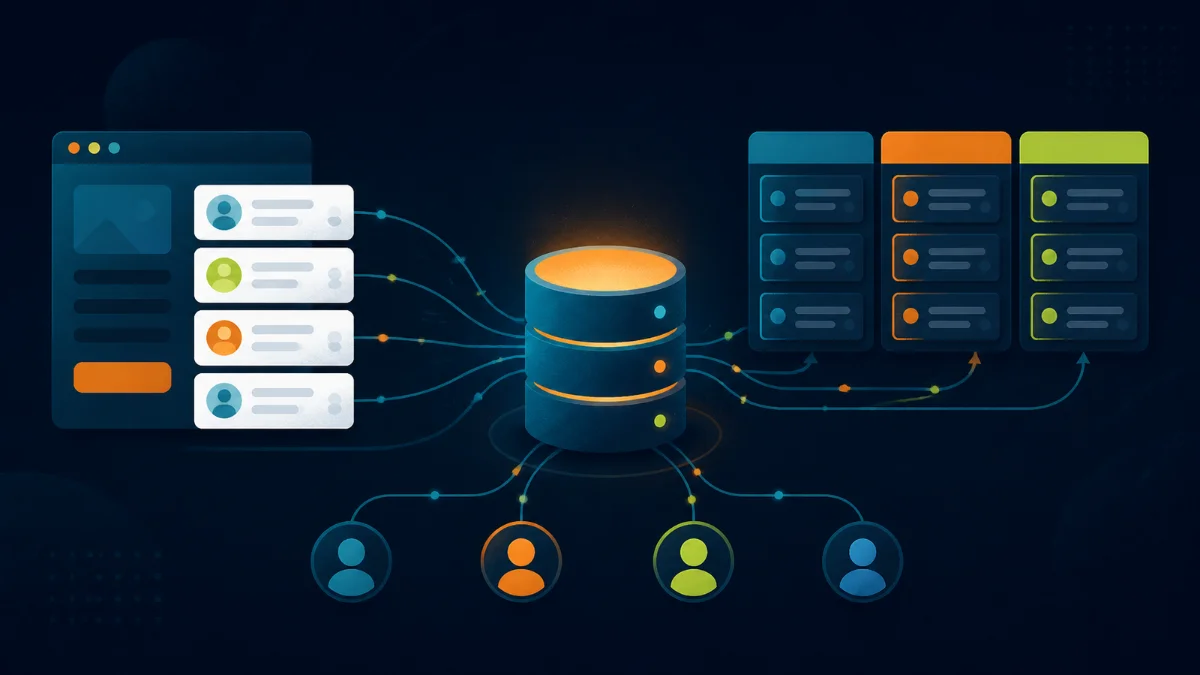
- In 2027 the CRM is the memory that AI agents read from and write to, so clean fields, a working API and approval steps decide how much value the AI layer delivers.
Every automation I build starts with one question: where does the record live? I run my stack on n8n, the Claude API and ComfyUI, and for my own business the answer is HubSpot. It is connected to content-managers.com through the WordPress plugin, and every lead from the site form lands there. When a workflow misbehaves, the CRM is where I go to see what actually happened.
This guide is my shortlist of the best CRM for small business owners and small agencies heading into 2027. It covers six tools, a comparison table, a 30-minute selection method and what CRM agents mean for a team of one to twenty people. Prices change often, so I describe each pricing model and give a number only where I checked the vendor page or a dated pricing tracker in November 2026.
Why should you choose a CRM by workflow before features?
A small team depends on three workflows every day, and the right CRM is the one that runs those three with the least manual work.
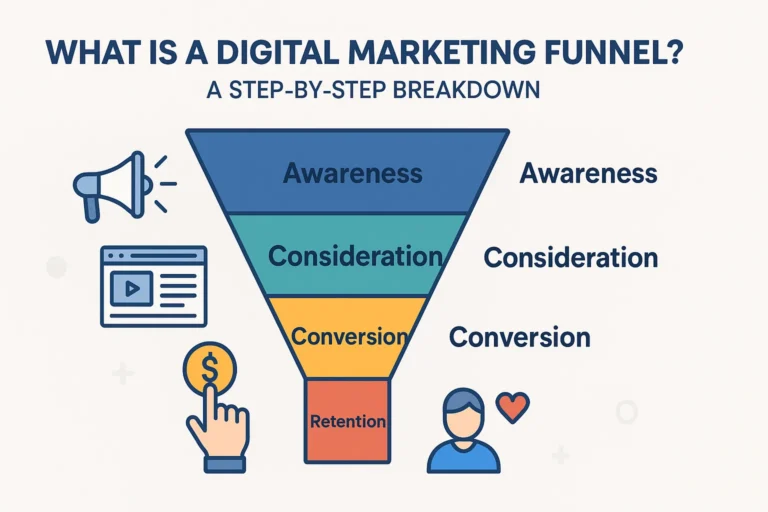
Lead capture comes first: a site form, chat widget or ad form creates a contact, tags the source and alerts the right person. The pipeline comes second: each deal moves through stages you define, with a value and a close date. Follow-up automation comes third: a task or email fires when a deal sits still too long. Map those three steps against your digital marketing funnel and the stage that loses the most people tells you which CRM strength to pay for.
One habit from my measurement work applies here: test every capture path in an incognito window, CRM forms included. Submit a test lead as a stranger and confirm it arrives with the right source.
Which CRMs belong on a 2027 shortlist for small businesses?
HubSpot, Pipedrive, Zoho CRM, Salesforce Starter Suite, monday CRM and Attio cover almost every small-business use case, and the table shows where each one fits. I compared them on five questions: who it suits, how you pay, what the AI does today, how it connects, and where it tends to hurt later.
| CRM | Best for | Pricing model | AI features (late 2026) | Automation and integrations | Watch-out |
|---|---|---|---|---|---|
| HubSpot | Website-led lead capture | Free CRM tools, then per-seat Starter Customer Platform; Marketing Hub Professional priced by contacts | Breeze Assistant coordinating agents, self-updating Smart CRM | Free WordPress plugin syncs forms to contacts; n8n node | Workflows start at Professional, so costs jump there |
| Pipedrive | Pipeline-first sales teams | Four per-seat tiers, 14-day trial, no free plan | Nova meeting intelligence on every plan; AI email drafting on Premium | Workflow automations and sequences; n8n node | Light marketing tools, so plan a separate email platform |
| Zoho CRM | Budget-conscious teams | Free edition for up to 3 users, then per-user editions | Zia, with the full sales assistant on Enterprise | n8n node; CRM Plus suite bundles more Zoho apps | AI depth sits on the top edition |
| Salesforce Starter Suite | Teams planning to grow into Sales Cloud | Per user per month, 30-day trial | AI syncs emails, events and contacts | n8n node; upgrade path to higher editions | AI add-ons apply from Core upward |
| monday CRM | Teams already on monday.com | Per seat, 3-seat minimum, seat buckets | Sidekick assistant, fuller version on Enterprise | monday.com node in n8n | Buckets mean you pay for the next tier up |
| Attio | Agencies that design their own data model | Free up to 3 seats, then Plus, Pro and Enterprise per seat, with AI credits | Ask Attio, AI agents, call intelligence on every plan | API, webhooks and MCP server on every plan; n8n via HTTP Request | You own the schema design, and credits cap AI use |
HubSpot: best for website-led lead capture
HubSpot offers free CRM tools, and its WordPress plugin is free. According to HubSpot, site forms sync automatically to contact records, which is the path my own site leads take. The paid entry point is the Starter Customer Platform, priced per seat; a July 2026 pricing tracker lists it at $20 per seat a month. Workflow automation requires Professional or higher.
In September 2026 HubSpot rebuilt the platform around what it calls Growth Context. Breeze Assistant takes a plain-language request, decides which specialised agents to call and coordinates their work. The Smart CRM captures calls, emails and meetings automatically, and Context Home scores how complete your data is. Many of the new agents carry a public beta label, so treat them as previews in your 2027 budget.
Pipedrive: best for pipeline-first sales teams
Pipedrive is built around the deal board. It sells four per-seat tiers named Lite, Growth, Premium and Ultimate, with a 14-day trial. Its main AI addition is Nova, generally available since 16 September 2026 and included in all plans at no extra cost. Nova briefs reps before meetings, records the call, writes a transcript and summary, and suggests updates to stage, value and close date. The user approves each update before it applies, which is the right default for a small team.
Zoho CRM: best value with room to grow
Zoho CRM has a free edition for up to three users and paid editions named Standard, Professional and Enterprise. On 5 October 2026 Zoho removed the Ultimate edition from its public grid, leaving Enterprise as the top published edition. Zia is the AI layer, with the full Zia sales assistant on Enterprise.
Salesforce Starter Suite: best for teams planning to scale
Salesforce lists Starter Suite at $25 per user a month, with a free trial for up to 10 users. Starter includes AI that syncs emails, events and contacts, and the pricing page notes that AI add-ons apply from Core upward. In autumn 2026 Salesforce introduced Hunter, an outbound sales agent for Sales Cloud that finds contacts, drafts outreach, updates opportunities and asks the rep to approve judgment calls. Confirm which edition includes Hunter before you plan around it.
monday CRM: best if your team already lives in monday.com
monday CRM is priced per seat with a three-seat minimum, and seats come in fixed buckets, so a team of four pays for the next bucket. Its AI assistant is Sidekick. monday moved its work platform to seats plus AI credits in May 2026, and its support page states that model excludes monday CRM.
Attio: best for agencies that build their own system
Attio is free for up to three seats, Plus covers up to ten, and Pro removes the cap. Ask Attio, AI agents, call intelligence and auto-summaries are available on every plan, with monthly AI credits per seat and per workspace. API access, webhooks and an MCP server also come on every plan, which makes Attio the most open option here for teams that want their own agents to read and write CRM data.
HubSpot vs Pipedrive: which one fits a small business?
Pick HubSpot when most leads arrive through your website and content, and pick Pipedrive when revenue depends on reps working deals by phone and email. HubSpot starts with the visitor: forms, chat and email feed the contact record, and the pipeline sits on top. Pipedrive starts with the deal board.
My site runs on WordPress and my leads come through the site form, so HubSpot fit: the plugin connected my forms to the CRM with no custom integration. A team selling by outbound calls gets more from Pipedrive, where Nova gives every rep meeting notes and suggested updates on the entry plan. The cost curves also differ. HubSpot gets expensive when you need workflows, and Pipedrive gets expensive as you add seats.
What is the best CRM for agencies in 2027?
I recommend HubSpot for inbound-heavy agencies and Attio for agencies that want custom objects and their own agents. Agencies run an extra workflow: a won deal becomes a project, a retainer and a renewal date. Attio lets you model clients, projects and retainers exactly as you run them, and its API lets an automation layer act on that data. An agency that already runs delivery in monday.com should look at monday CRM first, since moving projects is the hardest part of a switch.
Whatever you choose, keep the CRM as the single record of truth and connect the rest of your stack to it. My guide to the best automation workflow tools covers the layer between your CRM and everything else.
How do you choose a CRM in 30 minutes?
Spend ten minutes writing your workflows, ten minutes cutting the shortlist and ten minutes pushing one real lead through your top two.
In the first ten minutes, write three sentences. Where do leads come from, and what should happen in the first hour after one arrives? Which stages does a deal pass through before you get paid? Which follow-up do you forget most often? Those sentences are your requirements.
In the next ten minutes, cut the list. If leads come from your website, keep HubSpot and Zoho CRM. If they come from outbound calls and meetings, keep Pipedrive and Salesforce Starter Suite. If your team plans work in monday.com, keep monday CRM. If you want to build your own objects and agents, keep Attio. Then check two limits: the seats you will need in twelve months, and whether the follow-up automation from your third sentence sits on a plan you can afford.
In the last ten minutes, open trials of your top two. Submit your site form from an incognito window, move the deal through two stages and set one follow-up rule. The tool that gets you through with fewer workarounds wins. Finally, confirm it has a native node in your automation tool or a clean API with webhooks, because that sets how much you can automate later.
What changes when AI agents run on your CRM in 2027?
AI agents turn the CRM into shared memory, so your fields, permissions and approval steps decide what the agents can safely do. HubSpot’s Breeze Assistant coordinates agents across the Smart CRM. Pipedrive’s Nova suggests updates and waits for approval. Salesforce built Hunter on a long-horizon runtime that keeps memory on accounts and plans work over weeks. Attio ships an MCP server on every plan, so external AI tools can query the CRM directly.
I see the same rule in my own builds. My n8n SEO on-page agent connects to Google Search Console and the Claude API, and it is only as good as the data it reads. For a manufacturing client I built a Telegram bot in n8n that answers inventory questions from their ERP, and its answers depend on how well the source data is mapped. A CRM agent works the same way: if deal stages mean different things to different people, or lead sources are blank, it drafts confident outreach on bad data.
My advice for 2027 has three parts. Standardise required fields before you switch on any agent. Keep a human approval step on anything that writes to a deal or sends an email, which is how Nova and Hunter are designed. Route custom automations through one layer you control, such as n8n, so every action is logged. My list of n8n use cases for content managers shows workflows that sit well on top of a CRM, and my guide to AI agents for marketing and content workflows explains where to start.
Frequently asked questions about choosing a CRM
What is the best CRM for a small business in 2027?
For a small business that wins most leads through its website, HubSpot is my default because the free CRM tools and free WordPress plugin capture leads from day one. For a team that sells through calls and meetings, Pipedrive fits better. Teams that want their own data model and AI agents should trial Attio.
Is a free CRM enough for a small business?
A free CRM covers contacts, a basic pipeline and form capture, which suits a solo founder or a team of two or three. HubSpot offers free CRM tools, Zoho CRM has a free edition for up to three users, and Attio is free for up to three seats. You usually outgrow the free tier when you need workflow automation, more seats or higher AI limits.
Which is easier to start with, HubSpot or Pipedrive?
Pipedrive is usually faster for salespeople because the deal board is the centre of the product. HubSpot is faster for website-led businesses because its WordPress plugin syncs forms to contacts automatically. Choose the one that matches where your leads come from.
Which CRMs work with n8n?
n8n lists built-in nodes for HubSpot, Salesforce, Pipedrive and Zoho CRM, plus a monday.com node. For tools without a dedicated node, such as Attio, use the HTTP Request node with the CRM’s API and webhooks.
Do I need a CRM with AI agents?
Start with clean data and clear workflows, then add AI agents once those exist. Meeting notes, suggested updates and email drafts are the safest first uses because a person approves each output. Autonomous outreach works best once your fields, stages and lead sources are consistent.
What is the first step?
Write down your three workflows today, then run one real lead through the two CRMs that match them this week. If you want help connecting your site, CRM and automation layer so leads arrive tagged and follow-ups run on their own, my CRM and automation setup service starts with exactly that map.
Sources
- HubSpot, Fall 2026 Spotlight
- HubSpot, WordPress plugin product page
- CMSWire, HubSpot debuts Breeze Assistant and self-updating CRM
- Pulse 2.0, HubSpot launches new Breeze Assistant, self-updating Smart CRM and Marketing Studio
- Automation Atlas, How much does HubSpot cost in 2026?
- Pipedrive Newsroom, Pipedrive launches Nova to turn sales meetings into CRM intelligence
- Usage Pricing, Pipedrive packaging change log
- The AI Agent Index, Pipedrive AI
- Automation Atlas, How much does Zoho CRM cost in 2026?
- Usage Pricing, Zoho CRM Ultimate edition dropped
- Salesforce, Sales pricing (UK)
- SiliconANGLE, Salesforce introduces new AI agents to automate sales support tasks
- destinationCRM, Salesforce introduces Hunter, a sales agent
- Agiled, monday CRM pricing 2026
- monday.com Support, The pricing model for monday AI portfolio
- Attio, Pricing
- n8n documentation (Mintlify), Integrations overview